
The Thrill of Uncertainty
At the core of casino gaming is the thrill that comes with the element of chance. Players are often drawn to the unpredictability associated with gambling, where each spin of the slot machine or roll of the dice holds the potential for excitement. This uncertainty can trigger a rush of adrenaline, stimulating the brain’s reward systems. For instance, many players enjoy exploring options, such as casino online california, that enhance their gaming experiences. The anticipation of winning big often cultivates a cycle of hope that keeps players returning, as they seek to replicate those exhilarating moments of success.
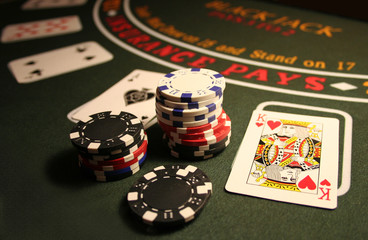
This psychological phenomenon is reinforced by a concept known in behavioral economics as “variable reinforcement.” Players experience wins at unpredictable intervals, creating a compelling reason to keep playing. This intermittent reward system can enhance the players’ emotional engagement, making them more likely to chase the high of a potential win, often regardless of the financial consequences.
The Social Aspect of Gaming
Another significant psychological driver behind casino gaming is its social nature. Many players enjoy the communal experience of being in a vibrant atmosphere surrounded by others sharing similar interests. This social environment can enhance the enjoyment of gaming, offering opportunities for social interaction, competition, and bonding over shared experiences.
Furthermore, social connections can influence gambling behaviors. Players may find themselves returning not only for the gaming itself but also for the friendships developed within the casino environment. These social ties can foster a sense of belonging and community, reinforcing the appeal of returning to the casino.
The Role of Escapism
For many, casino gaming provides an escape from the routine of everyday life. The immersive design of casinos combined with the thrill of gambling allows players to temporarily disengage from their responsibilities and stresses. This psychological escape can be profoundly appealing, offering a realm where individuals can lose themselves in the moment and forget their troubles.
This need for escapism is further exacerbated in high-pressure environments where individuals seek respite from their daily challenges. The casino becomes a haven for those looking to indulge in a fantasy, where the stakes are raised, and the ordinary fades away, sustaining their desire to return again and again for that exhilarating break.
The Influence of Rewards and Loyalty Programs
Casinos often implement loyalty programs that provide incentives for continued play. These systems are designed to appeal to players’ psychological tendencies, offering rewards that reinforce their behavior. The allure of bonuses, discounts, and exclusive perks can motivate players to frequently return, contributing to an ongoing cycle of engagement.
Additionally, the feeling of being valued as a player can strengthen relationships with the casino. When patrons feel recognized and rewarded, their emotional attachment to the venue grows, enhancing the likelihood of repeat visits. Thus, these structured reward systems not only incentivize play but also cement loyalty, making players feel a part of a larger community.

Conclusion: Understanding the Psychological Landscape
Understanding the psychology behind casino gaming is crucial for comprehending why players keep coming back. The intertwining elements of thrill, social interaction, escapism, and reward systems paint a complex picture of player motivation. Casinos, like any other business, thrive on building these psychological connections, ensuring that the experience is not just about gambling but about creating an environment that captivates and retains players.
As a resource for the community, the exploration of these psychological drivers can provide insights into the broader implications of gambling behaviors, contributing to discussions around responsible gaming and social justice. By understanding these facets, individuals can better navigate their choices while also advocating for a fair and equitable gaming environment.